Prologue
What “Buried” Means
Every record begins as a decision.
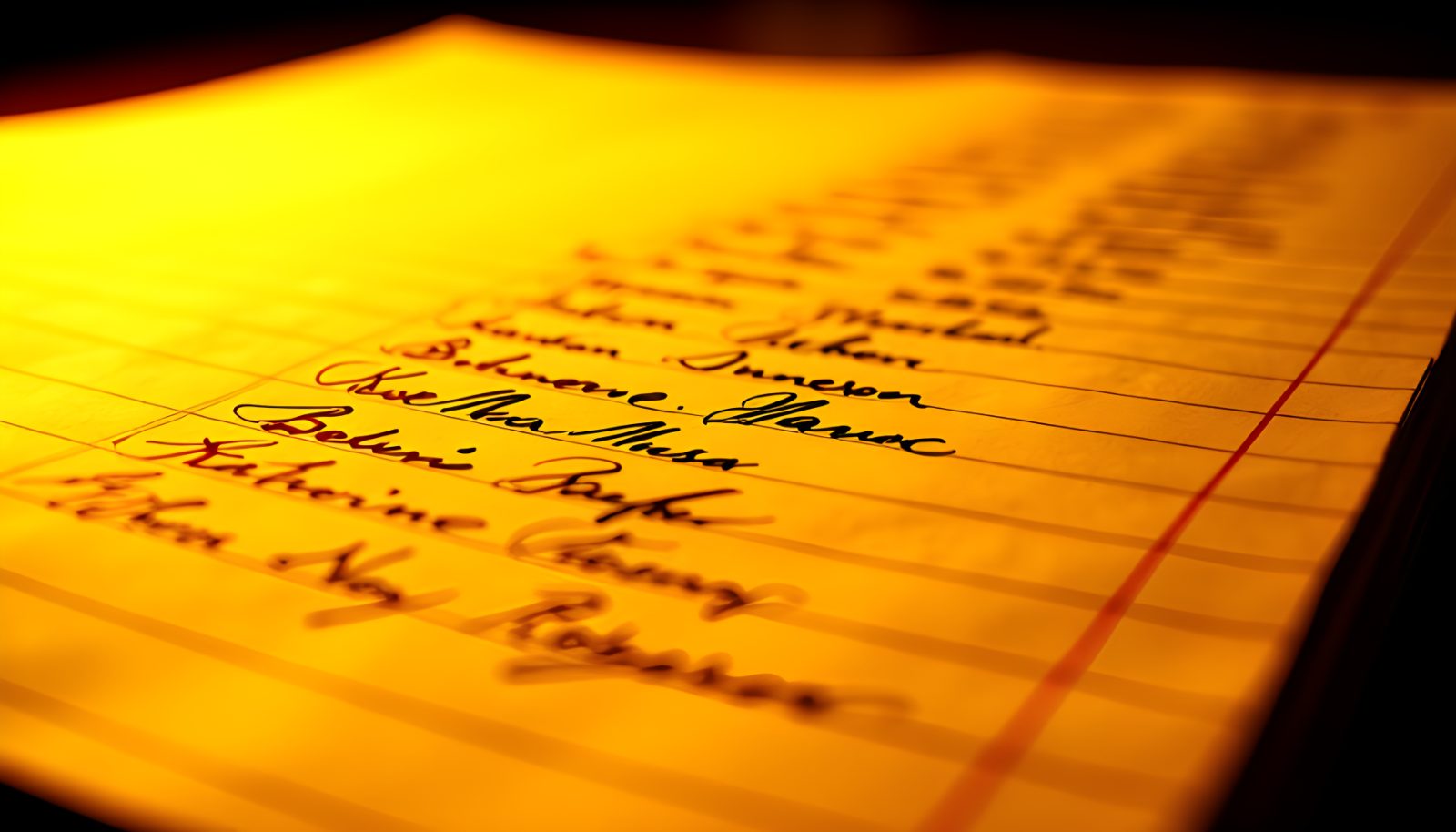
Somewhere, a person wrote one name down and left another out. They were not thinking about the future. They could not have known the choice would outlive them — that centuries later, it would reach a stranger as history. As fact. As the way things simply were.
That is what a record becomes once enough time passes. We stop seeing the decision. We see only the result, and we call it the past.
A clerk files one ship’s log and throws away another. An editor puts one name in the headline and folds the rest into and others. A committee picks the textbook a generation will open. A publisher decides which pages that textbook can afford to keep.
None of them believe they are deciding the shape of history.
Each of them is.
So understand this, before the twelve stories begin. A historical record is not a mirror. It is a structure — built by hands, under pressure, for reasons. And a structure built by hands can be built to hold some things up and let others fall through.
We have a gentle word for the things that fall through. We say they were forgotten — as if forgetting were weather. Something that just happens. A fog that settles over the past and thickens the further back you look.
That kind of forgetting is real. Time wears things down. Paper burns. People die with their stories still inside them. But that is not what this book is about.